When to
Remove
a Tree?
Learn the warning signs that may mean a tree needs professional attention, from structural damage and decay to dangerous leaning and storm damage.
Know the
warning
signs.
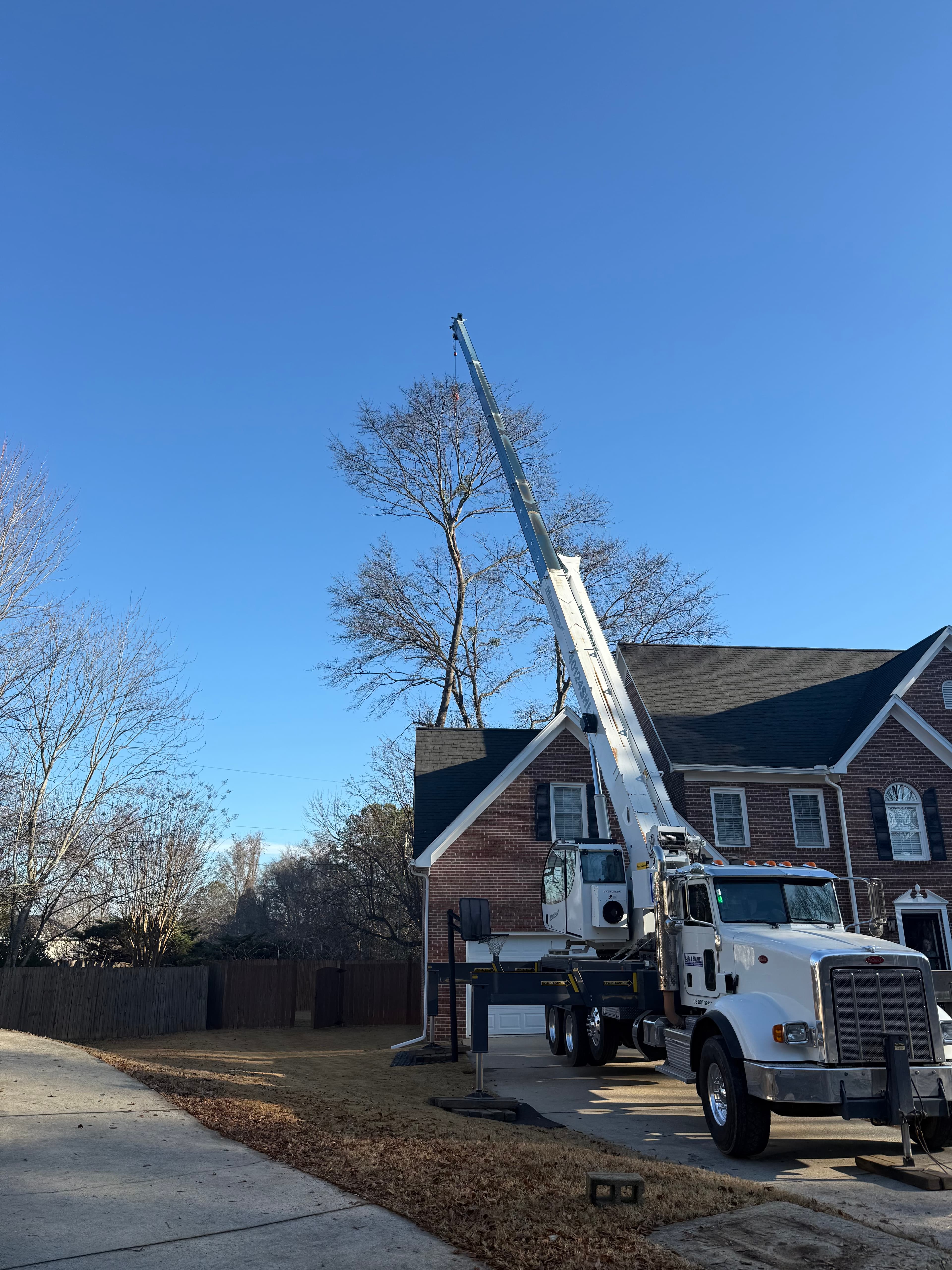
A tree may need professional attention when it has significant structural damage, extensive decay, severe root problems, a dangerous lean, major storm damage, or a serious decline in health.
However, seeing one warning sign does not automatically mean a tree should be removed. Some trees can be preserved through pruning, treatment, monitoring, or other professional care. The right decision depends on the tree's condition, structure, location, and the potential risk to people or property.
Important: If a tree has suffered major storm damage or appears unstable, keep people away from the area and have the situation professionally assessed.
When a tree
deserves a
closer look.
These are some of the most common conditions that should prompt a professional evaluation. The presence of a warning sign does not automatically mean removal is required.
Dead or Hanging Branches
Dead branches can become brittle and fall without warning, especially during wind or severe weather. Large dead limbs over driveways, walkways, homes, or other frequently used areas deserve prompt professional attention.
Large Cracks in the Trunk
Deep cracks, splits, or large areas of separation in the trunk can indicate structural weakness. A professional should evaluate significant trunk damage before deciding whether the tree can be safely retained.
Visible Decay or Cavities
Hollow areas, cavities, fungal growth, soft wood, or visible decay can indicate internal deterioration. The outside of a tree does not always tell the full story, which is why professional assessment matters.
A Significant Lean
Trees can naturally grow at an angle, but a new or worsening lean can be a warning sign. Leaning combined with cracked soil, damaged roots, or trunk movement deserves immediate professional evaluation.
Root Damage
Construction, excavation, erosion, soil changes, and physical damage can affect a tree's root system. Damaged or exposed roots may reduce stability and can contribute to long-term decline.
Major Storm Damage
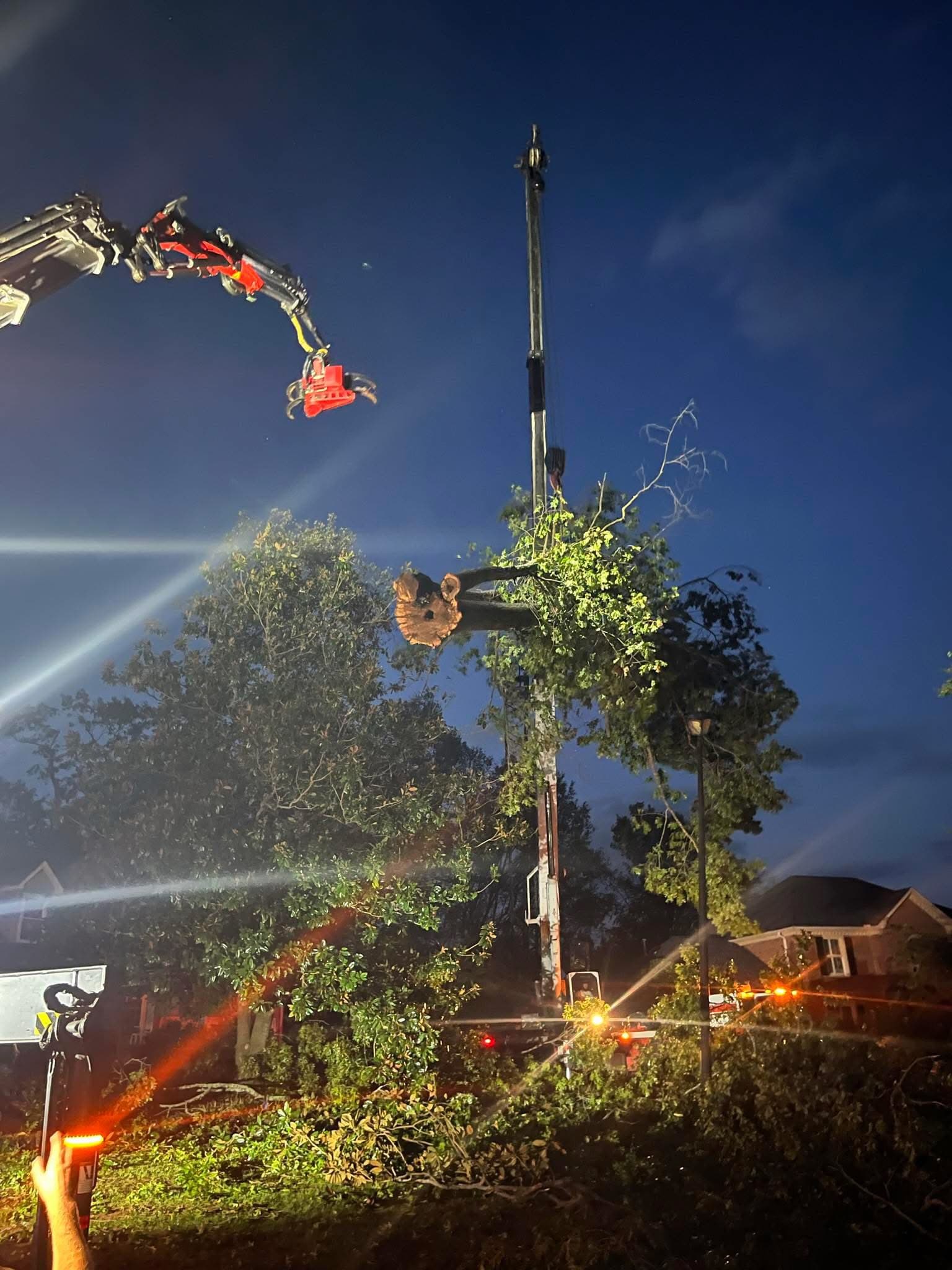
Broken limbs, split trunks, uprooted trees, and hanging branches can create serious hazards after storms. Avoid approaching or attempting to handle a damaged tree yourself and have the situation professionally assessed.
A Declining or Dead Canopy
A tree with widespread dead branches, thinning foliage, or a canopy that is rapidly declining may be experiencing serious health problems. The cause should be identified before determining whether removal is necessary.
Disease or Severe Pest Damage
Some diseases and pest problems can weaken trees over time. Early identification may allow treatment or pruning to preserve the tree, while severe decline or structural damage may make removal the safer option.
The Tree Has Become a Hazard to Property
A tree may become dangerous because of its location, condition, or surrounding changes. Trees close to homes, garages, driveways, sidewalks, or utility infrastructure require careful evaluation when structural problems are present.
Can the tree
be saved?
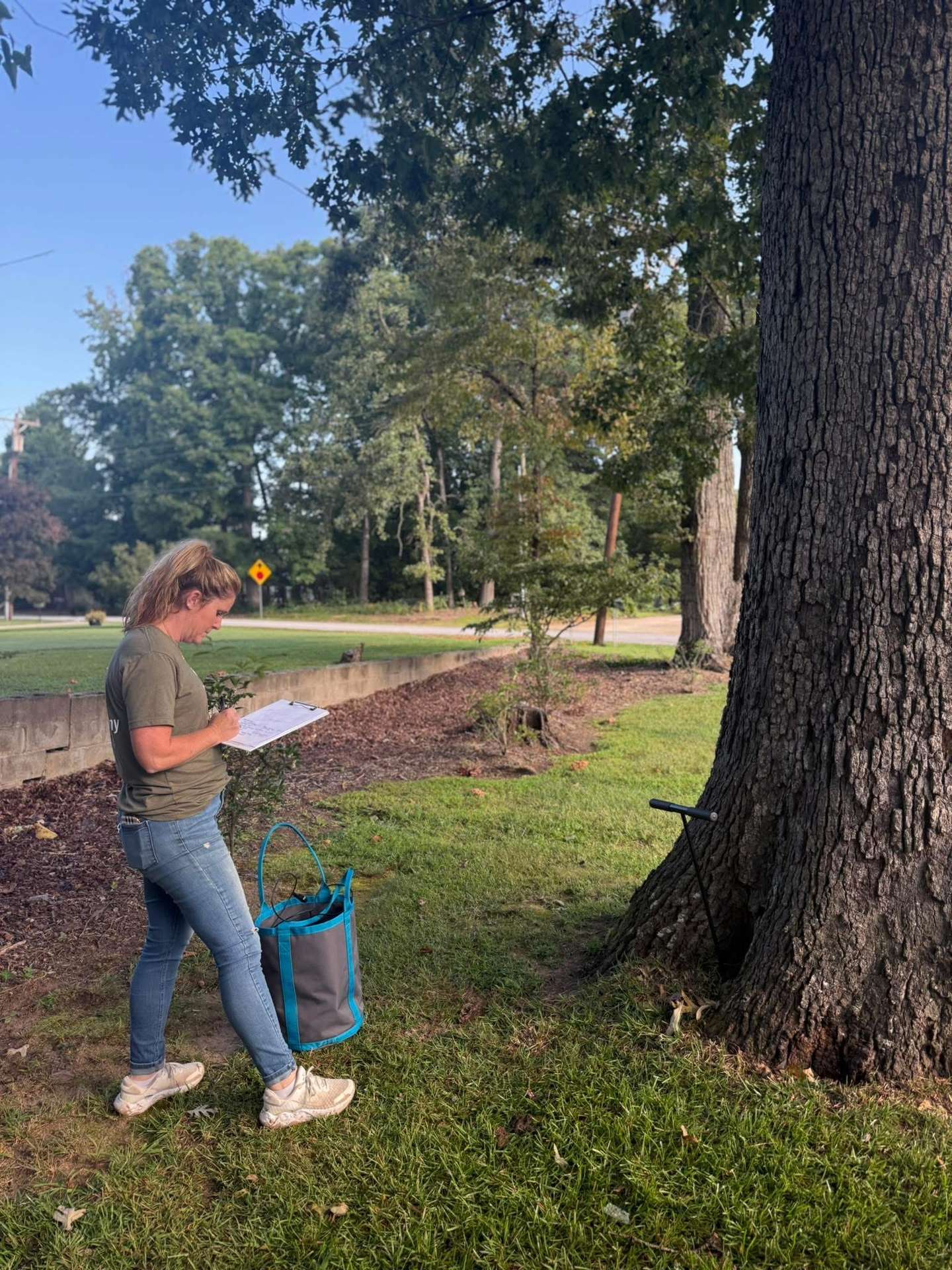
A tree showing signs of stress or damage does not automatically need to come down. Depending on the situation, professional pruning, treatment, structural support, or ongoing monitoring may be appropriate.
The key is understanding the underlying problem. A professional assessment considers the tree's health, structure, root condition, surroundings, and the consequences of failure.
Tree Condition
Health, structure, decay, and overall vitality are evaluated.
Safety Risk
Potential hazards to people, buildings, vehicles, and property are considered.
Location
The surrounding property and consequences of tree failure matter.
When to call
for help.
If a tree appears unstable or has suffered major damage, professional evaluation is the safest next step. Avoid attempting to climb, cut, or work on hazardous trees yourself.
Look at the
whole
picture.
A good tree assessment looks beyond one visible symptom and considers the tree, the property, and the potential risk together.
Tree Health
Look for signs of disease, decay, declining canopy health, and overall vitality.
Structure
Evaluate trunk condition, major limbs, branch attachments, cracks, and overall stability.
Root Zone
Consider exposed roots, soil changes, excavation damage, erosion, and potential stability concerns.
Property Risk
Consider nearby homes, garages, vehicles, walkways, utility infrastructure, and other targets.
Tree problems
are property
problems.
In Greenville, Simpsonville, Greer, Mauldin, Fountain Inn, and nearby Upstate communities, trees are part of the landscape around homes and businesses.
When a tree becomes damaged, unhealthy, or structurally unstable, the concern is not limited to the tree itself. Nearby structures, driveways, landscaping, vehicles, and areas people use can all be affected.
Questions about
tree removal.
Answers to common questions homeowners ask when they are unsure whether a tree should be removed, trimmed, treated, or evaluated.
How do I know if a tree is dying?+
Signs can include widespread dead branches, thinning or declining foliage, visible decay, damaged bark, fungal growth, and significant structural problems. These symptoms do not always mean the tree must be removed, so a professional assessment is the best way to determine its condition.
Can a leaning tree be saved?+
Sometimes. The cause, severity, age of the tree, root condition, and surrounding property all matter. A gradual natural lean may not be a problem, while a sudden or worsening lean can indicate instability and should be professionally evaluated.
Should I remove a tree with a hollow trunk?+
Not necessarily. A cavity can indicate internal decay, but the presence of a hollow area alone does not automatically mean removal is required. A professional should evaluate the tree's remaining structure and the potential risk to nearby property.
Can a tree with dead branches recover?+
Dead branches themselves will not recover, but a tree with some dead limbs may still be healthy. The amount and location of deadwood, the condition of the canopy, and the underlying cause all help determine whether pruning or additional treatment is appropriate.
Should I remove a tree after a storm?+
Not every storm-damaged tree needs to be removed. However, trees with major trunk splits, severe root damage, significant uprooting, or large broken limbs can pose serious hazards. Have storm-damaged trees professionally assessed before deciding what work is needed.
How much does tree removal cost in Greenville, SC?+
Tree removal pricing depends on factors such as tree size, condition, location, access, nearby structures, equipment requirements, and cleanup. The best way to receive an accurate price is to have the property evaluated and receive a project-specific estimate.
More tree
care resources.
Not sure what
your tree needs?
If you're concerned about a tree's condition, structure, or safety, Carson Tree Company can evaluate the situation and help you determine the right next step.